do non diabetics get hypoglycemia Pin on health
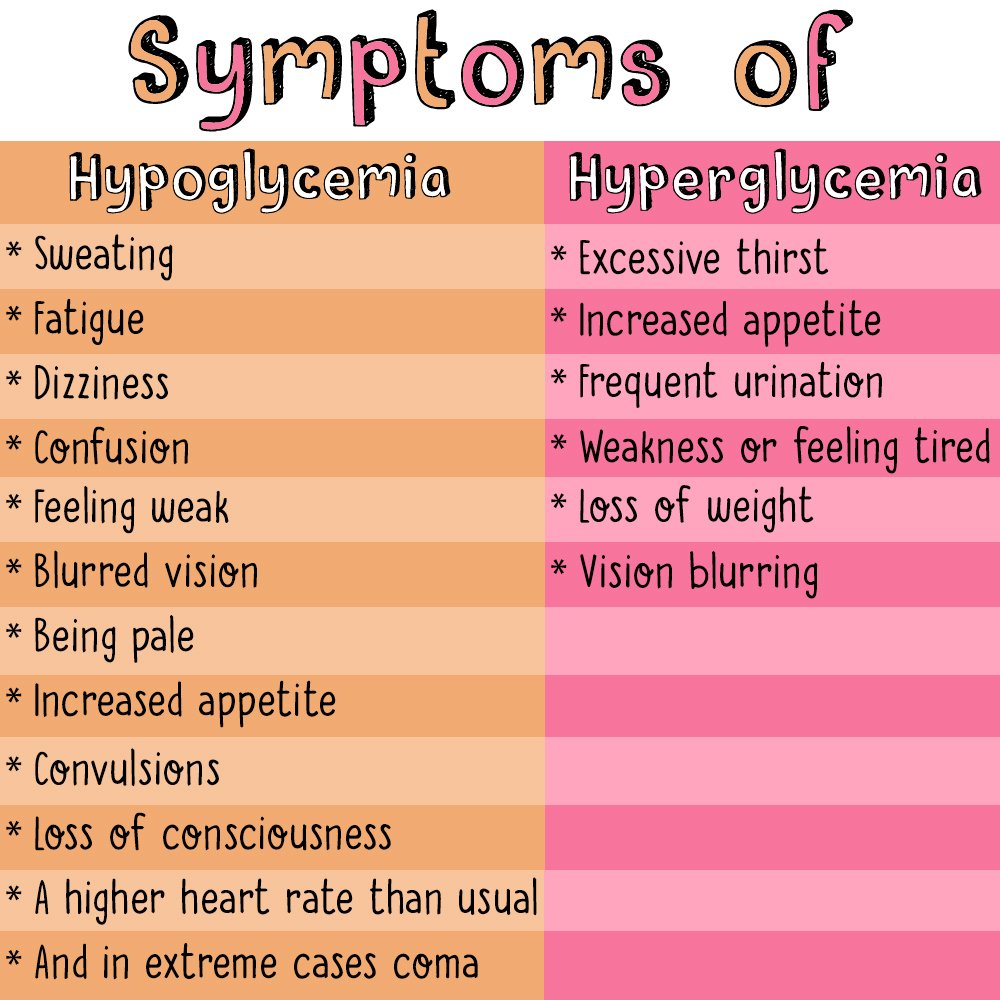
Living with diabetes can be incredibly challenging, especially when it comes to managing hypoglycemia and hyperglycemia symptoms. It’s essential to know what signs to look out for and how to manage them effectively. Hypoglycemia, or low blood sugar, occurs when blood sugar levels drop below normal. This can happen for various reasons, including skipping meals, exercising excessively, or taking too much insulin. Some common symptoms of hypoglycemia include shakiness, anxiety, sweating, hunger, and dizziness. If left untreated, hypoglycemia can lead to seizures and even coma. To manage hypoglycemia, it’s essential to monitor blood sugar levels regularly. It’s also crucial to have fast-acting carbohydrates on hand, such as fruit juice or candy, to bring blood sugar levels back up quickly. Eat a meal or snack with carbohydrates and protein after this initial treatment. It’s important to keep in mind that hypoglycemia can occur at any time of day or night, so always be prepared and have a plan in place. On the other hand, hyperglycemia, or high blood sugar, occurs when too much glucose is in the bloodstream. This can be due to several reasons, including overeating or not taking enough insulin. Some common symptoms of hyperglycemia include increased thirst and urination, fatigue, blurred vision, and headaches. If left untreated, hyperglycemia can lead to long-term complications such as blindness, kidney damage, and nerve damage. To manage hyperglycemia, it’s essential to monitor blood sugar levels regularly and take insulin as prescribed. A healthy diet and regular exercise can also help manage blood sugar levels. If your blood sugar levels are consistently high, talk to your healthcare provider about adjusting your treatment plan. Living with diabetes can be overwhelming, but it’s essential to educate yourself about the disease and its symptoms. Remember to monitor blood sugar levels regularly, have a plan in place for managing hypoglycemia, and keep in touch with your healthcare provider. The images shared here provide helpful information about diabetes symptoms. Remember that hypoglycemia and hyperglycemia can happen to anyone living with diabetes, regardless of the type. Educating yourself and being prepared can ultimately lead to better management and improved quality of life.
If you are looking for Diabetes.co.uk on Twitter: “#Symptoms #Hypoglycemia #Hyperglycemia # you’ve came to the right web. We have 5 Pictures about Diabetes.co.uk on Twitter: “#Symptoms #Hypoglycemia #Hyperglycemia # like Pin on Diabetes, Non Diabetic Hypoglycemia: All About Low Blood Sugar in Non-Diabetics and also Pin on Health. Here it is:
Diabetes.co.uk On Twitter: “#Symptoms #Hypoglycemia #Hyperglycemia #
 twitter.comsugar diabetes high blood hypoglycemia symptoms hypo hyper diabetic cause hyperglycemia joint type muscle does medical know lower pain nursing
Pin On Diabetes
 www.pinterest.comcoma diabetic prevent hypoglycemia shaky causes glucose hyperglycemia diabetestalk
Non Diabetic Hypoglycemia: All About Low Blood Sugar In Non-Diabetics
 thedrjoe.comnon hypoglycemia diabetic blood sugar low diabetics questions
Pin By Jennifer StPierre On Type 1 Diabetes (autoimmune Diabetes
 www.pinterest.comhypoglycemia diabetes hyperglycemia diabetic causes hypo reactive insulin glucose hypothyroidism hypos hypoglycaemia adrenaline learna
Pin On Health
 www.pinterest.comhypoglycemia diabetic hormone normandy impressionist
Pin by jennifer stpierre on type 1 diabetes (autoimmune diabetes. Pin on health. Coma diabetic prevent hypoglycemia shaky causes glucose hyperglycemia diabetestalk